
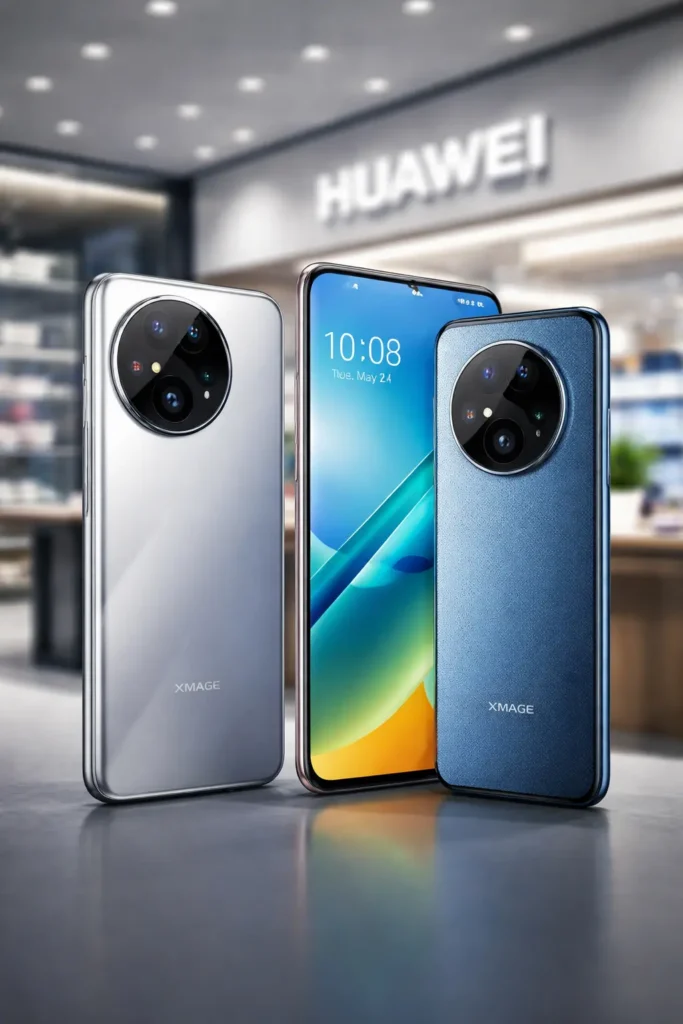
The topic Huawei smartphones coming back to India is gaining massive attention in 2026. After a long absence from the Indian smartphone market, Huawei is preparing for a potential comeback, raising excitement among tech enthusiasts and buyers.
The news about Huawei smartphones coming back to India is creating huge excitement among smartphone users and tech enthusiasts.
Huawei was once a strong competitor in India, known for its premium smartphones, powerful cameras, and innovative technology. However, due to global restrictions and the loss of Google services, the brand faced major challenges.
Also read our detailed
Samsung Galaxy S26 vs iPhone 17 comparison for flagship insights.
Now, with improvements in its ecosystem, HarmonyOS development, and new hardware innovations, Huawei is planning a return. In this detailed article, we explore Huawei’s comeback strategy, expected smartphones, features, challenges, and whether you should consider buying Huawei devices in India again.
For more details about Huawei’s global strategy, visit the
Huawei official website.
Huawei Smartphones Coming Back to India: What It Means
The return of Huawei smartphones to India could significantly impact the smartphone market. Huawei is known for pushing innovation, especially in camera technology and premium design.
If Huawei re-enters the Indian market successfully, it will compete directly with brands like Samsung, Apple, OnePlus, Xiaomi, and iQOO.
Why Huawei Left the Indian Market
To understand the comeback, it is important to know why Huawei exited India.
- Loss of Google Mobile Services (GMS)
- No access to Google Play Store
- Restrictions on global partnerships
- Reduced consumer trust
Without Google apps like YouTube, Gmail, and Google Maps, Huawei smartphones became less practical for Indian users.
What Has Changed for Huawei in 2026
The situation has improved significantly, making the comeback possible.
1. HarmonyOS Development
Huawei has developed its own operating system called HarmonyOS, which is now more stable and feature-rich.
2. App Ecosystem Growth
Huawei AppGallery now supports many popular apps, reducing dependency on Google services.
3. Kirin Chipset Comeback
Huawei is bringing back its Kirin processors, offering strong performance and efficiency.
4. AI and Camera Innovation
Huawei continues to lead in AI photography and camera hardware improvements.
Expected Huawei Smartphones in India
Huawei is expected to launch multiple smartphones across different segments.
Huawei P Series
These smartphones focus on camera performance and premium design.
Huawei Mate Series
The Mate series targets power users with flagship performance and productivity features.
Mid-Range Devices
Huawei may also introduce mid-range smartphones to compete in the ₹20,000–₹35,000 segment.
Design and Build Quality
Huawei smartphones are known for their premium design and build quality. The company often introduces unique camera layouts and sleek finishes.
- Premium glass back design
- Minimal bezels
- Modern camera modules
Camera Technology: Huawei’s Biggest Strength
Huawei has consistently been one of the best smartphone camera brands.
- Large camera sensors
- Advanced night photography
- Periscope zoom technology
- AI-based image processing
If Huawei returns, it will likely lead the camera segment again.
You can also check our
mid-range smartphone comparison to explore more options.
Performance and Gaming
Huawei’s new Kirin chipsets are expected to compete with Snapdragon processors.
- Efficient multitasking
- Smooth performance
- Good gaming capability
However, gaming optimization will depend on software compatibility.
Battery and Charging
Huawei smartphones are known for strong battery life and fast charging.
- Large battery capacity
- Fast charging (80W+ expected)
- Efficient power management
Software Experience Without Google
This remains the biggest concern for users.
Huawei smartphones use HarmonyOS instead of Android with Google services.
- Huawei AppGallery instead of Play Store
- Alternative apps available
- Some apps may not fully work
You can learn more about HarmonyOS features on
Huawei consumer platform.
Pricing Strategy in India
Pricing will play a key role in Huawei’s success.
- Mid-range: ₹20,000 – ₹35,000
- Flagship: ₹60,000 – ₹90,000
Huawei must compete with brands like Samsung, Xiaomi, OnePlus, and iQOO.
Challenges Huawei Will Face
- No Google services
- Strong competition
- Rebuilding brand trust
- App compatibility issues
Huawei vs Other Brands
- Samsung – Better ecosystem and updates
- Apple – Best performance and ecosystem
- OnePlus – Clean software experience
- Huawei – Best camera and innovation
Should You Buy Huawei Smartphones in 2026?
Buy Huawei If:
- You want the best camera
- You like premium design
- You don’t rely heavily on Google apps
Avoid Huawei If:
- You need Google services
- You use banking apps frequently
- You want full app compatibility
Huawei Smartphones Coming Back to India: Final Verdict
The Huawei smartphones coming back to India story is exciting and could reshape the market. Huawei still leads in hardware innovation, especially in cameras and design.
However, the lack of Google services remains a major drawback. If Huawei can improve its ecosystem and pricing strategy, it has the potential to make a strong comeback in India.
FAQs
Is Huawei coming back to India?
Huawei is expected to re-enter the Indian market gradually with new smartphones.
Do Huawei phones support Google apps?
Most new Huawei phones do not support Google Mobile Services.
Is Huawei worth buying in 2026?
Huawei phones are great for camera and design, but not ideal for Google-dependent users.
What is HarmonyOS?
HarmonyOS is Huawei’s operating system designed as an alternative to Android.

